Hamed to Saber · Originally published on 27 June 2026
If you are asking how I am, the sorrow of migration is slowly giving way to a little happiness. Perhaps things at home have improved just enough to give us room to notice the world outside.
Abroad is wet. I do not mean that metaphorically. Since the women here are supposedly immodest and the men supposedly have no sense of honour, naturally we spend all our time in the rain. But knowing their own situation, they have built the streets so that not a drop remains after a downpour. We Iranians, trusting in our women’s modesty and our men’s honour, have built streets that cannot absorb even a mouthful of spit.
Abroad has problems of its own. A few days ago, someone was complaining about an interest-rate rise of 0.75, or something like that. Prices were out of control, apparently: inflation had reached the unprecedented figure of four per cent.
At first I thought he was joking, so I laughed. Then I noticed several Australian faces glaring at me. “My smile is sadder than tears,” I explained—the old Persian line about bitter laughter being sadder than weeping.
We have to update everything we thought we knew. Single-digit inflation is not necessarily a source of national pride or a distant dream. Inflation can be four per cent and still break a household’s back.
We do have cultural similarities. When petrol became more expensive, there were long queues at service stations, with people filling containers. At first I thought someone was about to attack this country too. “Oh,” I thought, “just like our own Iran.” I enjoyed a small moment of nostalgia.
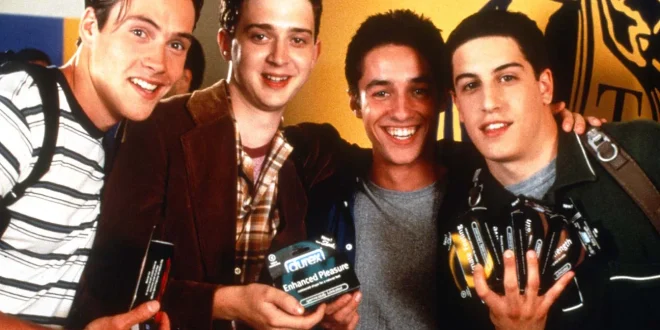
Saber! I confess: American Pie lied to our generation. We imagined that life abroad was one endless party. It reminds me of the joke about the innocent fellow who was told Tehran was all pleasure and excitement. As the plane landed, the pilot asked everyone to unfasten their seatbelts. “Hooray!” the man shouted. “It’s starting already!”
We forgot that if Stifler or Barney seemed so entertaining, it was because they were surrounded by friends they enjoyed being with. The problem was never a shortage of opportunities for amusement. Our happiness made sense because of our friends. And abroad takes that one essential thing away.
I do not think the problem is hardship. It is a kind of unhappiness we have never learnt to live with. If we lose our money or our jobs, we recognise it: we have experienced a thousand versions in Iran, and can adapt quite easily.
But I never imagined that having nobody who speaks your language could weigh so heavily on you. By “your language”, I do not simply mean Persian or English. I mean someone with whom you can go a little deeper: a shared experience that lets a conversation reach beneath the rubbish of daily life.
These days I understand that even talking nonsense requires a shared language. It can be difficult enough to find at home, let alone abroad.
At home, there is always someone called Saber whom you can ring and say, “I’m not doing well.” Wherever he is, he will either come to you or put something on the table so you can sit together and forget your sadness for a while.
Now I know that what is on the table matters hardly at all. What matters is who shares it with you.
Postscript: I wrote this thinking of you, in a café in a city whose name I do not even know. Here’s to the day we sit together at Real again. I ordered a coffee in your honour. Five dollars. You are worth it.
The opening is satire about moralistic explanations of rain and drought. Stifler and Barney are characters from American comedies; Real is the café named in the original.